

FACT CHECKED BY FLIK: ARTIFICIAL COLORS
Food and nutrition headlines move fast—and not all of them get it right.
After exploring the science behind seed oils, it’s clear that nutrition trends often gain traction faster than the facts. Artificial colors are no exception. In this installment of Fact Checked By FLIK, our dietitians unpack the most common concerns surrounding artificial colors. Let their fact-based reporting cut through the confusion and clarify misinformation to explain what credible research really tells us.

WHAT ARE ARTIFICIAL COLORS
Artificial food coloring’s purpose is purely visual; they do not affect taste or provide any nutritional value. They are used in foods for several reasons – to offset color loss, correct variations in color, and add color to colorless foods to make them more appealing. Artificial colors are most used in foods such as candy, baked goods, snack foods, and sugar-sweetened beverages.
WHAT’S THE CHATTER
HEALTH CONCERNS: Concerns about artificial colors typically focus on two areas: cancer risk and behavioral effects in children.
THE FACT CHECK: Research on the health effects of artificial colors is ongoing. To date, studies examining the potential link between artificial colors and cancer have been largely conducted in animals, often at doses far higher than those typically consumed by humans. Human studies have not shown a clear or consistent link between artificial color intake and cancer risk. Instead, higher cancer risk is more strongly associated with dietary patterns that include frequent intake of snack foods, sugar‑sweetened beverages, and fast food. These products may contain artificial colors, but they are typically high in added sugars, sodium, and unhealthy fats, which are dietary components that are well‑established contributors to chronic disease risk.
In children, some evidence suggests that certain artificial colors may temporarily increase hyperactivity, irritability, restlessness, or difficulty concentrating in susceptible individuals. These effects are generally short-term and do not indicate that artificial colors cause attention-deficit/hyperactivity disorder (ADHD). However, they may exacerbate symptoms in children who are already sensitive or have existing behavioral concerns.
FDA REGULATIONS
Artificial colors used in foods are strictly regulated by the U.S. Food and Drug Administration (FDA). Before approval, manufacturers must provide evidence that a color additive is safe at its intended level of use. The FDA also specifies which foods a color additive can be used in, the maximum allowable amounts, and how it must be listed on ingredient labels. When artificial colors are used, they are required to appear in the ingredient list under their approved names, such as “Red 40” or “Yellow 5.” Based on current evidence and regulatory oversight, FDA-approved artificial colors are considered safe for the general population when consumed within established limits.
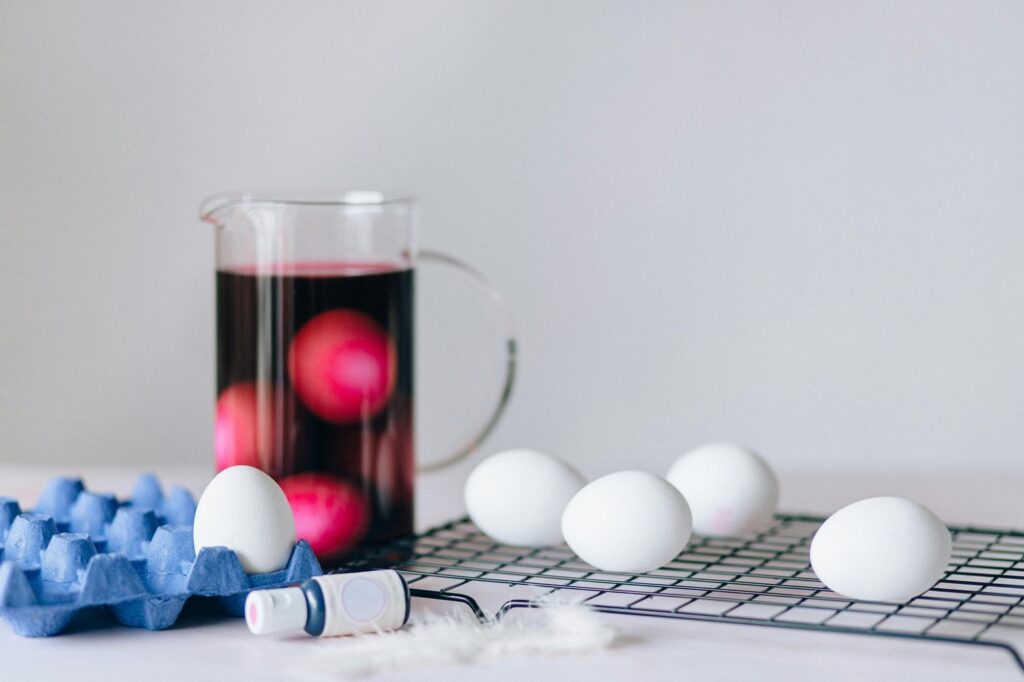
In conclusion, artificial colors enhance the appearance of foods and provide no nutritional benefit. Current evidence indicates they are safe to consume in regulated amounts.
Consuming a diet rich in fruits, vegetables, lean protein, and whole grains and limited in high sugar and sodium snack foods and beverages will limit exposure to excessive artificial colors, if desired.
Have questions? Connect with our team at [email protected].